 |
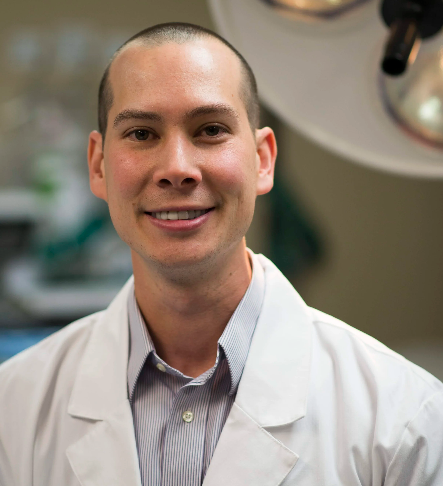
Dr. Don Stader, MD, FACEP, FASAM- Keynote
Dr. Don Stader is a board-certified emergency and addiction medicine physician, who works at Swedish Medical Center and Lincoln Health in Colorado. Don is also the founder and Executive Director of The. He is the founder and past chair of Colorado ACEP's Opioid Task Force, the Editor-in-Chief of and the guidelines on pain control and opioid stewardship. Don served for over 2 years as the Senior Pain Management & Opioid Policy Physician Adviser for the Colorado Hospital Association and serves on multiple national and local committees addressing the opioid epidemic in Colorado and across the nation, he is the current chair of . He is the Medical Director of the , a nationwide initiative to improve pain control, prescribing habits, addiction treatment and opioid stewardship for primary care clinicians.
|
|
Scott Weiner, MD, MPH, FAAEM, FACEP, FASAM
Scott Weiner, is an Associate Professor of Emergency Medicine at Harvard Medical School and the McGraw Endowed Chair in the Department of Emergency Medicine at Brigham and Women’s Hospital. He completed his emergency medicine residency at Beth Israel Deaconess Medical Center and earned a Master of Public Health from the Harvard School of Public Health. Board-certified in both emergency medicine and addiction medicine, Dr. Weiner is a nationally recognized, tech-minded researcher focused on the prevention and treatment of substance use disorders, with more than 135 peer-reviewed publications. His work emphasizes the use of technology, data, and health systems innovation to improve patient care and scale evidence-based interventions. He is deeply engaged in health policy and physician leadership, and previously served as President of the Massachusetts College of Emergency Physicians.
|
|
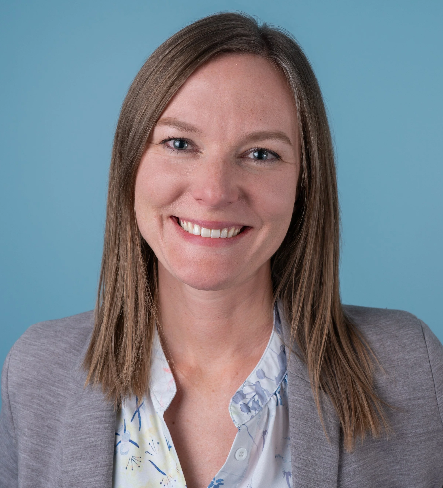
Rachael Duncan, PharmD, BCPS, BCCCP
Rachael Duncan is a Colorado-based clinical pharmacist board certified in pharmacotherapy and critical care pharmacy. She has spent the past decade focused on policy, advocacy, and educational work surrounding opioid stewardship and addiction treatment at both the state and national level. Rachael is the Chief Clinical Officer of Epifluence, where she is Program Director of the Maternal Overdose Matters (MOMs+) Initiative and Associate Director of The Naloxone Project (TNP). She leads several educational and quality improvement initiatives focused on helping hospitals and health systems build addiction treatment infrastructure, with a special focus on rural and frontier communities. She is the author and editor of multiple state- and nation- wide guidelines around opioid stewardship, alternatives to opioids (ALTO) for pain management, and MOUD for addiction treatment, championed ALTO and MOUD across Colorado EDs with the Colorado Hospital Association, and published the first peer-reviewed paper on ALTOs in the ED. Rachael’s clinical experience is in ED and hospital pharmacy.
|
|
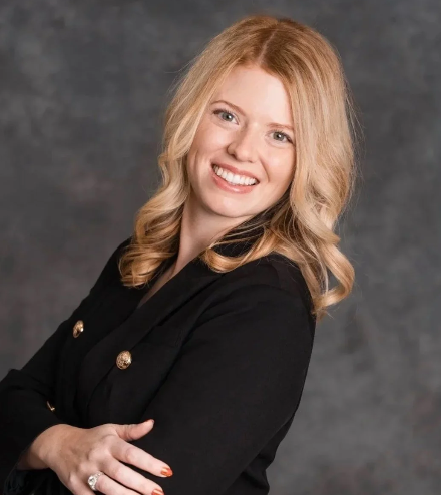
Susan Bradley, PharmD, JM
Susan Bradley is a clinical pharmacist based out of the Northern, New York area.
She is passionate about health systems and improving population health, through clinical consulting and legislative reform.
Susan earned her PharmD degree from Albany College of Pharmacy and Health Sciences in 2014, and received her Juris Master degree with a concentration in Healthcare Regulation in 2024, from Florida State University College of Law.
She holds certifications in pain management and emergency medicine through ASHP. In 2019 she completed a Healthcare Leadership Advancement Certification through Cornell University, which included a capstone project on Expanding Pharmacist Services to the Emergency Department of a rural critical access facility.
Previously, Susan worked with substance use disorder patients within the emergency department and inpatient withdrawal management (“detox”) unit, as well as supported outpatient settings. She is experienced in developing order sets for substance use disorders, leading an opioid stewardship program and writing ALTO guidelines for the emergency department. Her experience spans pharmacy leadership, clinical project development, regulatory compliance, accreditation, policy writing and systemization.
Susan's clinical practice is through Rochester Regional Health.
In her free time, Susan loves spending time with her husband, Chris, and young daughters, Amelia and Abigail. They enjoy boating and jet-skiing in the 1000 islands region where they live, as well as traveling whenever they have the opportunity!
|
|
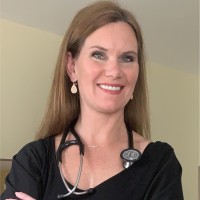
Christine Blake Smith, D.O.
Dr. Smith is a board-certified family physician with additional board certification in Addiction Medicine and is a Diplomate of the American College of Lifestyle Medicine. She serves as a national clinical coach for the CMS Compass Opioid Stewardship Program and consults with Epifluence, supporting clinicians in evidence-based, patient-centered pain and opioid care.
Dr. Smith has over 20 years of experience caring for patients with complex chronic pain, long-term opioid use, co-occurring mental health conditions, and trauma histories. She has served as Medical Director for Milestone Recovery Center, practiced as an independent physician-owner, and volunteered extensively at the Biddeford Free Clinic. She is known for her balanced, non-punitive approach to opioid stewardship that emphasizes patient dignity, effective communication, and sustainable practice change. Dr. Smith also serves as a regular medical contributor for WMTW News and speaks nationally on chronic pain, opioid stewardship, and whole-person care.
|